
Department of Defense Funds ACTION to Advance Duchenne Muscular Dystrophy Cardiac Research
ACTION receives $910,000 Department of Defense award to study the evolving impact of therapies on heart disease in Duchenne muscular dystrophy

ACTION receives $910,000 Department of Defense award to study the evolving impact of therapies on heart disease in Duchenne muscular dystrophy
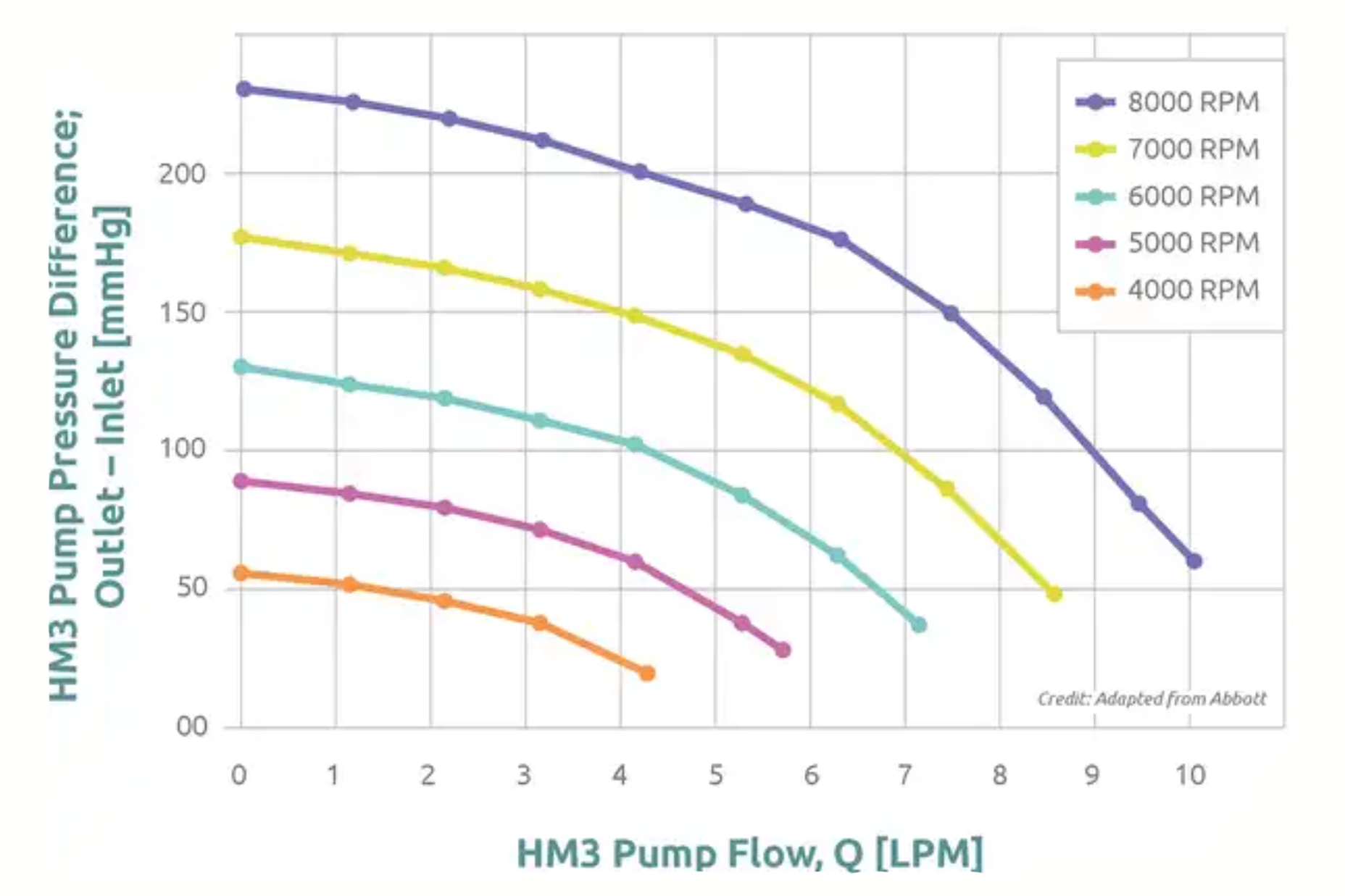
This review outlines the physiologic principles, patient selection criteria, and specialized management strategies needed to safely use the adult-designed HeartMate 3 heart pump in children, small adults, and patients with congenital heart disease or muscular dystrophy.

A new multicenter study suggests SGLT2 inhibitors — a diabetes drug class — may offer a well-tolerated way to modestly improve heart function in kids with dystrophin-deficient cardiomyopathy.
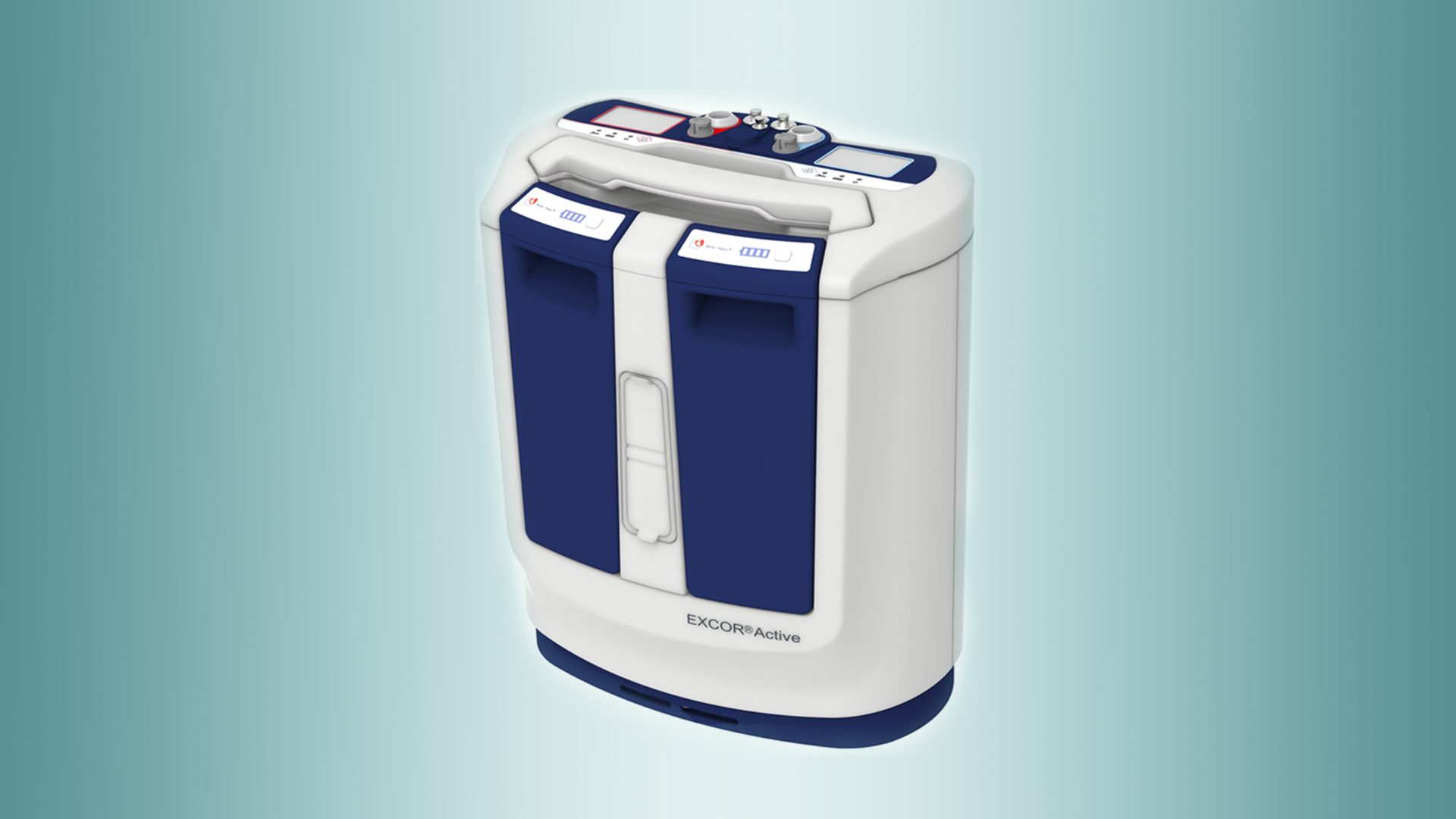
This multicenter analysis shows bivalirudin is an effective alternative to heparin for anticoagulation in pediatric mechanical circulatory support, with comparable bleeding and stroke outcomes.

This study evaluates the progression of the distal aorta in patients with acute type A aortic dissection complicated by malperfusion syndrome who were treated with endovascular fenestration/stenting followed by delayed open aortic repair, finding that although these patients had faster distal aortic growth, their long-term survival and reoperation rates were similar to those without malperfusion syndrome.

Early data from 500 males in the ACTION dystrophinopathy registry show substantial cardiac involvement and broad use of cardioprotective therapies. Ongoing follow-up will define the modern natural history of cardiomyopathy in dystrophinopathy.

In a prospective study of 265 males with Duchenne Muscular Dystrophy, nearly 30% of those with moderate or severe heart dysfunction were not receiving full consensus-directed cardiac therapy, and most did not reach target medication doses—highlighting the need to optimize treatment strategies as cardiac disease becomes a leading cause of death in DMD.
Cardiac Medication Use in ACTION for Duchenne Muscular Dystrophy Cardiomyopathy Read More »

An expert opinion statement, addressing a critical gap in cardiac care for Duchenne muscular dystrophy – providing thorough recommendations for the initiation and titration of cardiac medications based on disease progression and patient response.

Partnership of cardiologists with gene transfer therapy prescribers is essential to identifing patient-specific considerations that might influence risk for adverse cardiac events.

Patients with congenital heart disease (CHD) frequently have had valve interventions, including replacement with a mechanical valve. The impact of a mechanical valve on clinical outcomes in patients undergoing ventricular assist device (VAD) implantation is not well characterized.
