
Impact Of Ventricular Assist Device Use On Pediatric Heart Transplant Outcomes In A Linked Cohort Of The Advanced Cardiac Therapies Improving Outcomes Network (ACTION) And Pediatric Heart Transplant Society (PHTS) Databases
Children bridged to heart transplant on a ventricular assist device did not have worse graft survival than those supported medically. Drawing on 1,360 linked records from ACTION & PHTS, the study found that apparent differences between device types faded once patient complexity was accounted for.
Impact Of Ventricular Assist Device Use On Pediatric Heart Transplant Outcomes In A Linked Cohort Of The Advanced Cardiac Therapies Improving Outcomes Network (ACTION) And Pediatric Heart Transplant Society (PHTS) Databases
Children bridged to heart transplant on a ventricular assist device did not have worse graft survival than those supported medically. Drawing on 1,360 linked records from ACTION & PHTS, the study found that apparent differences between device types faded once patient complexity was accounted for.
The Pulse — September 2026
Happy Fall from ACTION! This edition of The Pulse covers a $910,000 Department of Defense award for Duchenne muscular dystrophy cardiac research, the relaunch of our VADs In Real Life (IRL) education series, ACTION at AHA Scientific Sessions 2026, new Harmonized Protocols and ACT-ONC resources, seven new publications, member spotlights, and open positions across ACTION centers.

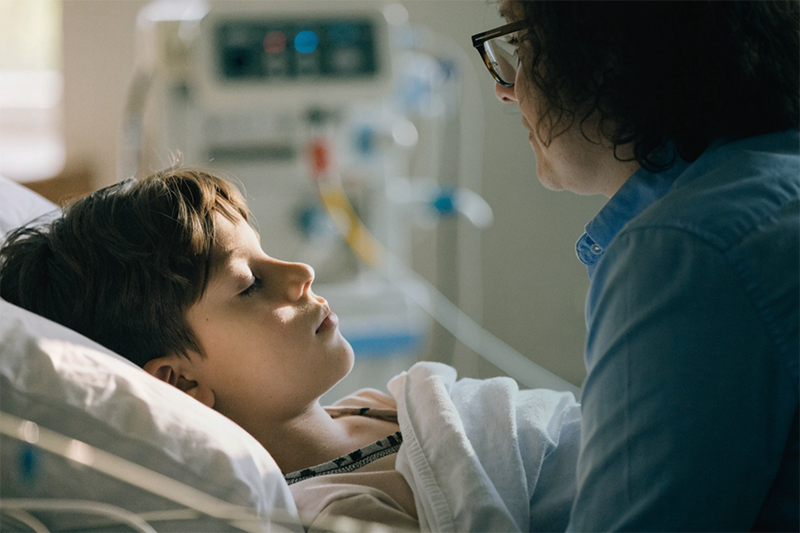
Outcomes of ventricular assist device placement in pediatric patients with renal dysfunction requiring dialysis: an ACTION registry analysis
Children who needed renal replacement therapy at the time of VAD implantation were rare, sicker, and had lower one-year survival than other VAD patients. But after accounting for other factors, the therapy itself was not independently linked to mortality.

“It’s Not Like My Old Life, But It’s Still Freedom”: An ACTION Learning Network Mixed Methods Analysis of the Adolescent Ventricular Assist Device Experience at Home
Adolescents and young adults are increasingly discharged home on a ventricular assist device, but little is known about what that period is actually like. Seventeen young people interviewed across ACTION sites described worries centered on emergencies, infection, and bleeding, along with limits on friendships, sports, and freedom of movement.
