HOA Feature

Critical care management of right ventricular failure in pediatric left ventricular assist devices: An advanced cardiac therapies improving outcomes network (ACTION) endorsed statement

Right ventricular failure (RVF) after left ventricular assist device (LVAD) implantation is a major cause of morbidity and mortality. This review offers pediatric-focused guidance on perioperative RV management, emphasizing pathophysiology, hemodynamics, and targeted interventions to optimize outcomes.

Critical care management of right ventricular failure in pediatric left ventricular assist devices: An advanced cardiac therapies improving outcomes network (ACTION) endorsed statement Read More »

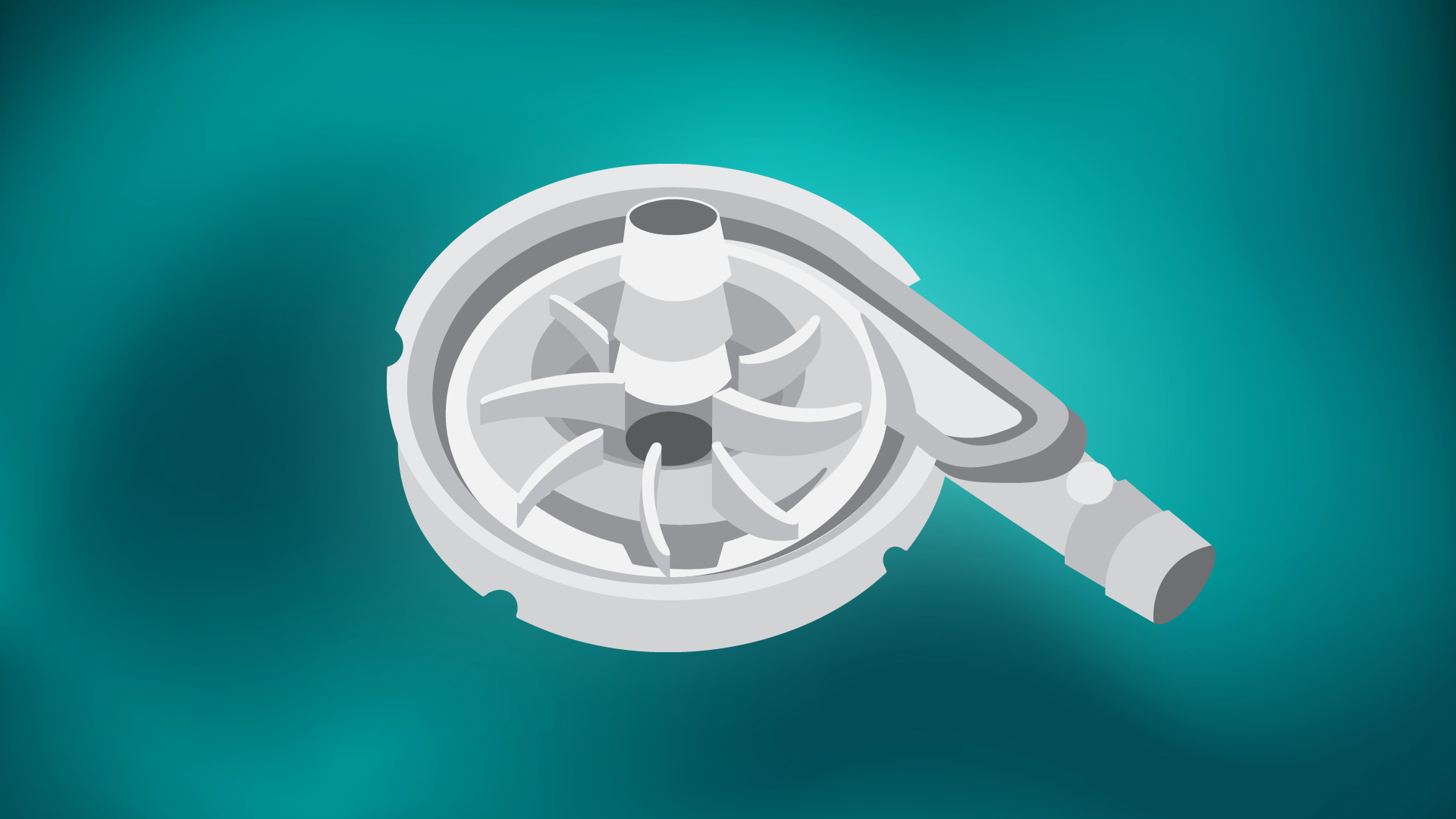
CentriMag

Contemporary Outcomes of Mechanical Circulatory Support Using Paracorporeal Continuous Flow Pump in Children: A Report From the ACTION Learning Network

This multicenter study of 367 children from the ACTION network found that 78% had a positive outcome with paracorporeal continuous flow (pCF) mechanical support. Children with congenital heart disease had lower success rates and higher mortality than those without CHD.

Contemporary Outcomes of Mechanical Circulatory Support Using Paracorporeal Continuous Flow Pump in Children: A Report From the ACTION Learning Network Read More »

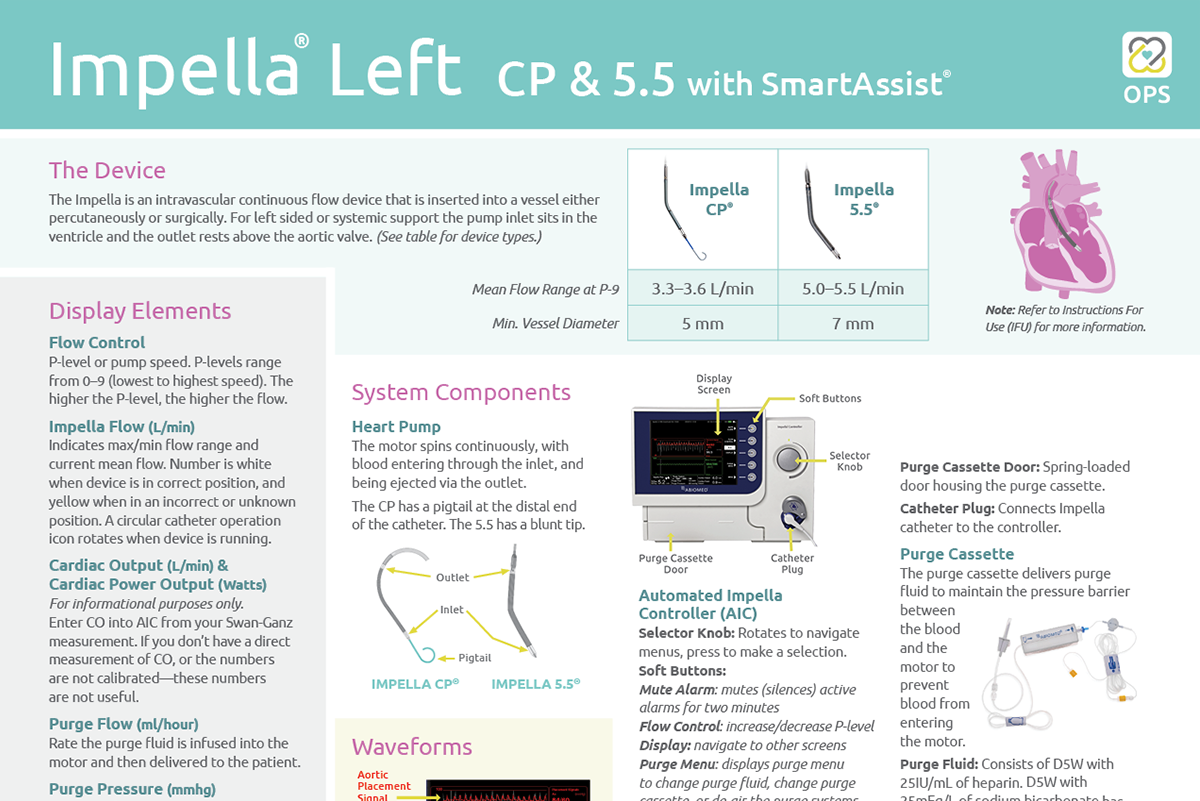
Multi-institutional outcomes of Impella use in pediatric patients: A brief communication from the ACTION Network

In this multicenter retrospective study of 150 pediatric patients supported with the Impella device, 89.3% achieved positive clinical outcomes despite a 28% adverse event rate. Findings suggest a potential role for Impella in managing refractory advanced heart failure in children, particularly those with cardiomyopathy, transplant graft dysfunction, or congenital heart disease.

Multi-institutional outcomes of Impella use in pediatric patients: A brief communication from the ACTION Network Read More »

Improving Pediatric Heart Failure Outcomes Through Collaboration and Innovation: The Current Status of the Advanced Cardiac Therapies Improving Outcomes Network (ACTION)

Through the collection and use of real-world data, the field has gained greater understanding of best practices in care of these patients, as well as improved access to devices with pediatric labeling of devices previously approved only for adults. Recent and current work across the network’s major focus areas (VAD, heart failure, muscular dystrophy, and Fontan) are highlighted.

Improving Pediatric Heart Failure Outcomes Through Collaboration and Innovation: The Current Status of the Advanced Cardiac Therapies Improving Outcomes Network (ACTION) Read More »

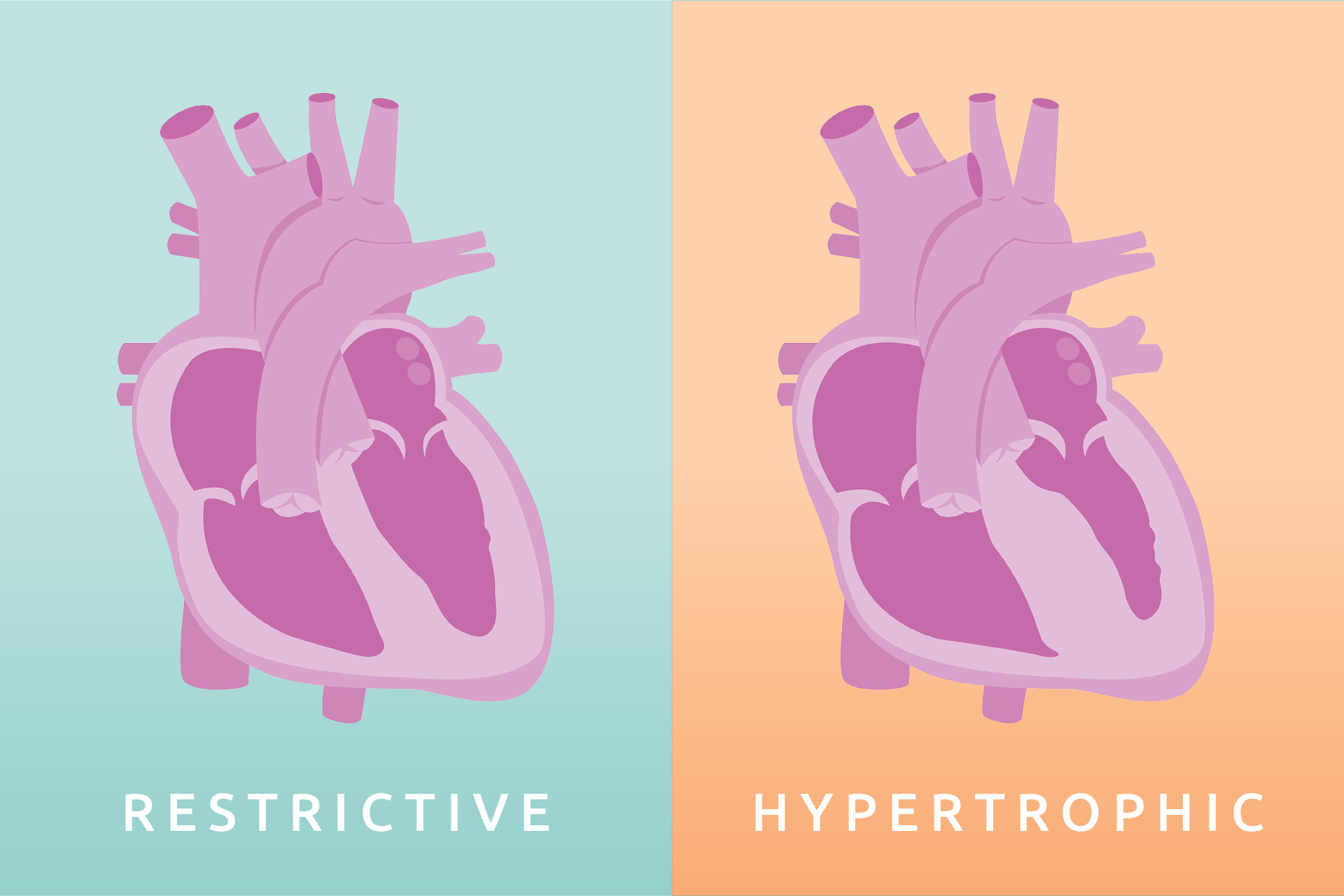
Ventricular Assist Device Use in Pediatric Restrictive and Hypertrophic Cardiomyopathy: An ACTION Registry Analysis

The use of VADs in pediatric restrictive and hypertrophic cardiomyopathy is rare, but this ACTION multi-center registry analysis highlights that support is feasible, particularly in children with RCM. While the majority of patients were successfully bridged to transplant, outcomes were poorer in HCM patients, especially those requiring BiVAD support.

Ventricular Assist Device Use in Pediatric Restrictive and Hypertrophic Cardiomyopathy: An ACTION Registry Analysis Read More »

Practice Variation in Thromboprophylaxis Management of Outpatient Pediatric Cardiomyopathy Patients: Survey of ACTION Providers

This study surveyed pediatric heart failure practitioners across ACTION centers to understand thromboprophylaxis practices in children with cardiomyopathy. The survey explored decision-making factors and medication choices using three clinical vignettes: dilated cardiomyopathy (DCM), left ventricular non-compaction (LVNC), and restrictive cardiomyopathy (RCM).

Practice Variation in Thromboprophylaxis Management of Outpatient Pediatric Cardiomyopathy Patients: Survey of ACTION Providers Read More »

Capturing Physiologic Data in Children with Heart Failure Using Wearable Digital Technology: Lessons From Pilot Project

A pilot study to evaluate the feasibility of using an Apple Watch and a custom app to collect physiologic and activity data from pediatric patients with heart failure. Data such as heart rate, activity levels, and clinical status were collected to explore the potential of wearable technology for improving pediatric heart failure management. The study aims to generate hypotheses for further research on wearable technology in pediatric heart failure care.

Capturing Physiologic Data in Children with Heart Failure Using Wearable Digital Technology: Lessons From Pilot Project Read More »

The ACTION VAD registry: A collective five-year experience

A report describing patient and device characteristics, and outcomes through 1-year post-VAD implant. The 5-year ACTION VAD experience highlights the growing collaboration in the pediatric VAD community and changes in clinical practice. More work is needed to improve survival and limit adverse outcomes, especially in younger patients.

The ACTION VAD registry: A collective five-year experience Read More »

Bridging gaps in pediatric device development: The power of ACTION – a collaborative learning network

Innovation in pediatric medical devices is limited by financial and regulatory barriers due to the small and heterogenous target population. Intentional design of the ACTION registry has mitigated regulatory and financial barriers to pediatric VAD innovation through the use of real-world evidence gathered through a learning network.

Bridging gaps in pediatric device development: The power of ACTION – a collaborative learning network Read More »