
2026

Survival comparison for renal replacement therapy in pediatric VAD patients versus those not on therapy, over one year.

Outcomes of ventricular assist device placement in pediatric patients with renal dysfunction requiring dialysis: an ACTION registry analysis

Children who needed renal replacement therapy at the time of VAD implantation were rare, sicker, and had lower one-year survival than other VAD patients. But after accounting for other factors, the therapy itself was not independently linked to mortality.


Outcomes of ventricular assist device placement in pediatric patients with renal dysfunction requiring dialysis: an ACTION registry analysis Read More »

Chart of concerns reported by adolescents living with a VAD at home, including emergencies, infection, and bleeding.

“It’s Not Like My Old Life, But It’s Still Freedom”: An ACTION Learning Network Mixed Methods Analysis of the Adolescent Ventricular Assist Device Experience at Home

Adolescents and young adults are increasingly discharged home on a ventricular assist device, but little is known about what that period is actually like. Seventeen young people interviewed across ACTION sites described worries centered on emergencies, infection, and bleeding, along with limits on friendships, sports, and freedom of movement.

“It’s Not Like My Old Life, But It’s Still Freedom”: An ACTION Learning Network Mixed Methods Analysis of the Adolescent Ventricular Assist Device Experience at Home Read More »

Comparison of pediatric VAD infection rates by device type: implanted, durable external, and temporary external.

Prevalence and Risk Factors for Ventricular Assist Device-Associated Infection in Children: An Analysis ACTION Study

About one in ten children supported by a ventricular assist device developed a device-associated infection, and one-year survival was no different for those who did. Drawing on 1,527 patients in the ACTION registry, the study found that implanted devices carried a proportionately higher infection rate than external ones.

Prevalence and Risk Factors for Ventricular Assist Device-Associated Infection in Children: An Analysis ACTION Study Read More »

RVAD timing in pediatric BiVAD support

Does Earlier Right Ventricular Assist Device Implant Confer a Survival Advantage

Concerns about survival have made biventricular support less common in children. Drawing on 223 pediatric patients in the ACTION registry, this study asked whether the timing of RVAD placement matters. Patients who received both devices in a single operation had better one-year survival, despite being sicker going into surgery.

Does Earlier Right Ventricular Assist Device Implant Confer a Survival Advantage Read More »

Infectious Adverse Events in Pediatric Paracorporeal Ventricular Assist Devices: An Analysis of the Advanced Cardiac Therapies Improving Outcomes Network (ACTION) Registry

This ACTION registry study of 812 children on paracorporeal VADs found that one-third experienced infectious adverse events, which were associated with worse survival. Overlapping device support and smaller body size emerged as independent risk factors for infection.

Infectious Adverse Events in Pediatric Paracorporeal Ventricular Assist Devices: An Analysis of the Advanced Cardiac Therapies Improving Outcomes Network (ACTION) Registry Read More »

Safety of Inpatient and Outpatient Beta Blocker Initiation in Pediatric Heart Failure

This ACTION registry analysis of 94 children with heart failure found no difference in 30-day readmission or mortality whether beta-blockers were started during an inpatient admission or in the outpatient setting. The findings suggest both approaches are safe, though larger datasets are needed to confirm them.

Safety of Inpatient and Outpatient Beta Blocker Initiation in Pediatric Heart Failure Read More »

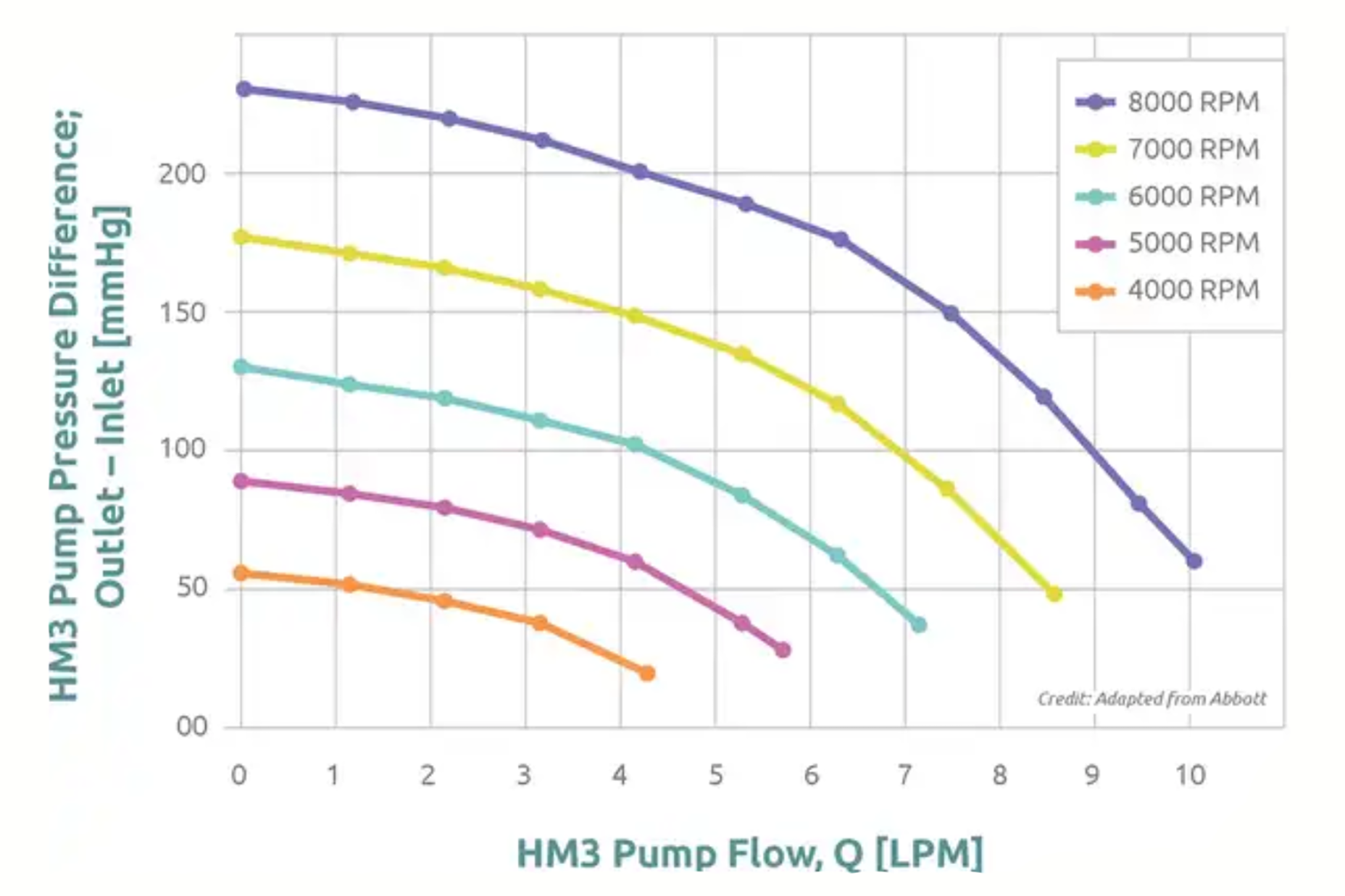
HeartMate 3 in Pediatric and Complex Populations: Physiologic Rationale, Patient Selection, and Management Strategies

This review outlines the physiologic principles, patient selection criteria, and specialized management strategies needed to safely use the adult-designed HeartMate 3 heart pump in children, small adults, and patients with congenital heart disease or muscular dystrophy.

HeartMate 3 in Pediatric and Complex Populations: Physiologic Rationale, Patient Selection, and Management Strategies Read More »

The Advanced Cardiac Therapies Improving Outcomes Network (ACTION): A Multicenter Registry and Learning Health System for Pediatric and Congenital Heart Disease Associated Heart Failure

ACTION is a multicenter learning health system spanning 52 sites and over 5,000 pediatric patients that combines standardized data collection, quality improvement, and research to drive measurable gains in outcomes for children with congenital heart disease-related heart failure.

The Advanced Cardiac Therapies Improving Outcomes Network (ACTION): A Multicenter Registry and Learning Health System for Pediatric and Congenital Heart Disease Associated Heart Failure Read More »

Bridge to Candidacy VAD Patients

Clinical Outcomes and Complications in Pediatric Ventricular Assist Devices Implanted as Bridge to Candidacy

In this ACTION registry analysis of pediatric VAD recipients, patients bridged to transplant candidacy (rather than already listed at implant) faced significantly higher rates of major adverse events, on-device mortality, and lower rates of successful transplantation compared to bridge-to-transplant patients.

Clinical Outcomes and Complications in Pediatric Ventricular Assist Devices Implanted as Bridge to Candidacy Read More »